



 English
What Is a torque hinge? Types, Applications, and How to Choose the Right One
A torque hinge is a specialized mechanical hinge that provides controlled rotational resistance, allowing doors, lids, displays, or panels to stay securely in position without additional support. Unlike traditional hinges that move freely, torque hinges use internal friction to hold objects at almost any angle, creating a smoother, safer, and more user-friendly experience.
Today, torque hinges are widely used in laptops, medical devices, industrial equipment, automotive interiors, smart home products, monitors, kiosks, and aerospace applications. As electronic devices become thinner and more sophisticated, demand for precision hinge solutions continues to grow.
If you're looking for reliable motion-control components, you can explore our Torque Hinge products for custom engineering solutions designed for a wide range of industries.
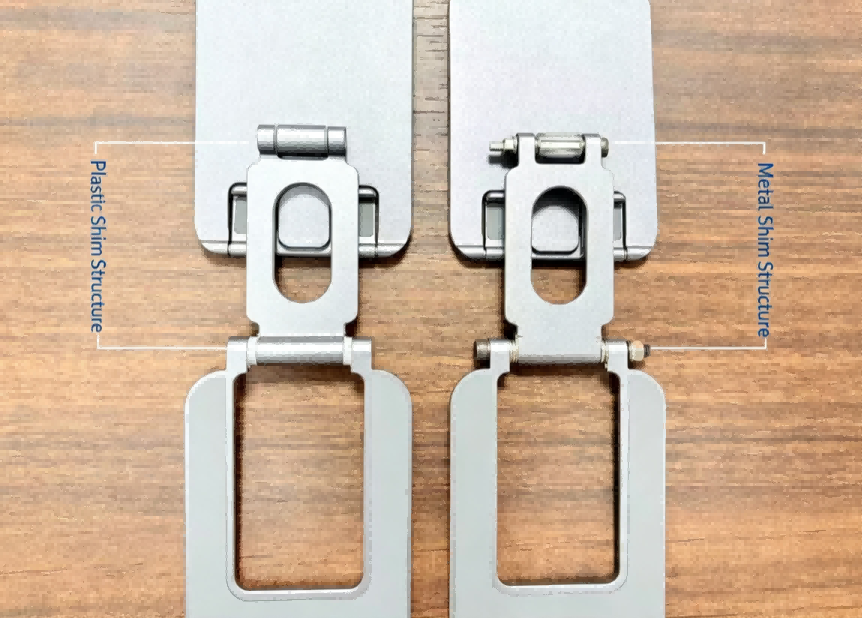
What Is hinge torque?
Before choosing a hinge, it's important to understand hinge torque.
Hinge torque refers to the rotational resistance generated when a hinge moves. It is usually measured in Newton-meters (Nm) and determines how much force is required to open or close a hinge. A properly designed torque value ensures that a display or lid remains stable without drifting, while still allowing users to operate it comfortably.
Several factors influence hinge torque, including:
Weight of the moving component
Center of gravity
Opening angle
Frequency of use
Product lifespan
User operating force
Selecting the correct hinge torque improves product stability, enhances safety, and creates a premium operating feel.
How Does a Torque Hinge Work?
A torque hinge generates resistance through precisely engineered internal friction components. Depending on the design, these may include friction washers, spring mechanisms, precision shafts, and specially treated bearing surfaces.
As the hinge rotates, these components create a controlled amount of friction, allowing the object to remain at the desired position instead of falling under its own weight.
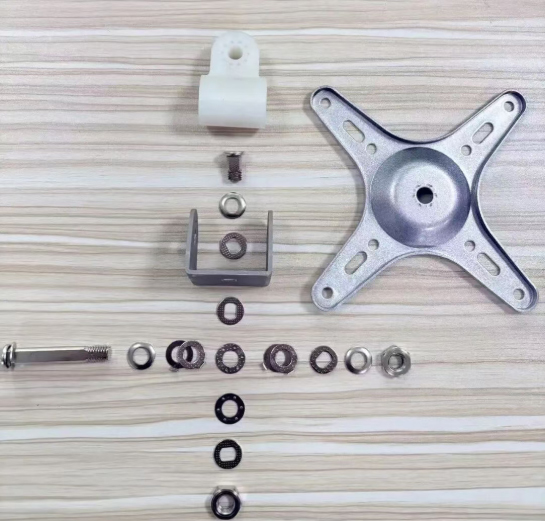
Compared with standard hinges, torque hinges offer several advantages:
Smooth and controlled movement
Stable positioning at multiple angles
No need for gas springs or support brackets
Compact and elegant product design
Long service life with consistent performance
These benefits make torque hinges one of the most popular solutions for modern mechanical design.
Common Types of Torque Hinges
Constant Torque Hinge
A constant torque hinge delivers nearly the same amount of resistance throughout its entire range of motion. Whether the hinge is opened slightly or fully extended, users experience smooth and consistent movement.
Because of this reliable performance, constant torque hinges are commonly used in:
Laptop computers
Medical monitors
Industrial control panels
POS terminals
Office automation equipment
Self-service kiosks
The biggest advantage of a constant torque hinge is its ability to maintain stable positioning while providing an excellent user experience.
Adjustable Torque Hinge
Unlike fixed-torque designs, an adjustable torque hinge allows the resistance to be modified according to application requirements.
Many manufacturers choose adjustable torque hinges because they provide greater flexibility during product development and maintenance.
Key benefits include:
Adjustable operating force
Easy maintenance
Adaptable to different product sizes
Longer product lifecycle
Reduced inventory requirements
These hinges are especially suitable for industrial equipment, display systems, and customized machinery where different torque values may be required.
Swivel Torque Hinge
A swivel torque hinge combines rotational movement with controlled resistance, allowing equipment to rotate smoothly while remaining securely positioned.
Typical applications include:
Tablet stands
Medical display arms
Professional monitors
Automotive displays
POS payment systems
Camera equipment
Swivel torque hinges improve ergonomics by allowing users to adjust viewing angles without sacrificing stability.
Concealed Torque Hinge
A concealed torque hinge is designed to remain hidden inside the product structure, creating a clean and modern appearance while maintaining the benefits of controlled motion.
Because the hinge is invisible from the outside, concealed designs are widely used in premium products where aesthetics are just as important as functionality.
Common applications include:
High-end laptops
Smart home devices
Luxury furniture
Medical equipment
Automotive interiors
Consumer electronics
In addition to improving appearance, concealed torque hinges also protect internal components from dust and accidental damage.
Typical Laptop Hinge Torque (Nm)
One of the most common engineering questions is:
What is the typical laptop hinge torque (Nm)?
There is no universal answer because the required torque depends on several factors, including screen size, display weight, hinge location, and product design.
Generally:
Small laptops require lower torque values.
Large business laptops need higher torque for display stability.
Touchscreen laptops often require stronger hinges because users frequently interact with the display.
Rugged industrial computers require even higher torque to withstand vibration and repeated movement.
Engineers perform extensive testing to determine the typical laptop hinge torque Nm that provides the perfect balance between smooth opening and secure positioning.
Applications of Torque Hinges
Torque hinges are used across a wide variety of industries.
Consumer Electronics
Laptops
Tablets
Portable monitors
Foldable devices
Medical Equipment
Diagnostic displays
Surgical monitors
Medical carts
Imaging equipment
Industrial Equipment
Control cabinets
HMI panels
Automation equipment
Testing instruments
Automotive Industry
Rear-seat entertainment systems
Dashboard displays
Storage compartments
Armrests
Aerospace
Cockpit equipment
Aircraft storage systems
Portable aviation devices
How to Choose the Right Torque Hinge
Selecting the right torque hinge requires careful consideration of both mechanical performance and application requirements.
Load Capacity
Calculate the total weight that the hinge must support.
Required Torque
Choose a hinge torque value that keeps the product stable while remaining easy to operate.
Opening Angle
Determine the maximum rotation angle required by your application.
Service Life
High-quality torque hinges can withstand tens of thousands—or even hundreds of thousands—of operating cycles.
Material Selection
Common materials include:
Stainless steel
Carbon steel
Aluminum alloy
Zinc alloy
The material should match the product's operating environment and durability requirements.
Why Custom Torque Hinges Matter
Every product has different mechanical requirements, which is why custom-engineered torque hinges are becoming increasingly popular.
Manufacturers often customize:
Torque values
Opening angles
Mounting dimensions
Surface finishes
Shaft structures
Corrosion resistance
Lifecycle requirements
Customized solutions ensure better performance, longer service life, and easier product integration.
Frequently Asked Questions
What is a torque hinge?
A torque hinge is a friction-based hinge that provides controlled resistance, allowing a lid, door, or display to remain at a desired position without additional support.
What is the difference between a constant torque hinge and an adjustable torque hinge?
A constant torque hinge delivers the same resistance throughout its movement, while an adjustable torque hinge allows the resistance to be modified according to specific application requirements.
What is the typical laptop hinge torque Nm?
The typical laptop hinge torque Nm varies depending on screen size, weight, and design. Manufacturers determine the optimal value through engineering calculations and durability testing to achieve smooth movement and stable positioning.
Where are swivel torque hinges commonly used?
A swivel torque hinge is commonly found in medical monitors, POS terminals, tablet stands, automotive displays, and industrial equipment where controlled multi-directional movement is required.
Why choose a concealed torque hinge?
A concealed torque hinge provides the same controlled movement as a standard torque hinge while remaining hidden inside the product, creating a cleaner appearance and protecting the hinge mechanism.
Conclusion
As products become thinner, smarter, and more ergonomic, the torque hinge has become an essential mechanical component across numerous industries. Whether you need a constant torque hinge for a laptop, an adjustable torque hinge for industrial equipment, a swivel torque hinge for flexible positioning, or a concealed torque hinge for premium product design, selecting the right hinge improves both functionality and user experience.
Understanding hinge torque and choosing the appropriate torque value are critical steps in creating durable, high-quality products. By working with an experienced torque hinge manufacturer, businesses can develop customized solutions that meet precise engineering requirements while ensuring long-term reliability and superior performance.