



 English
How to Select the Right Torque Hinge for Laptops, Monitors and Commercial Equipment
Torque hinges are one of the most critical components in modern electronic devices. From ultra-thin laptops and LCD monitors to POS terminals and industrial control systems, the hinge directly affects user experience, positioning stability, product lifespan, and overall perceived quality.
For design engineers, selecting the correct hinge torque is often challenging. Too much torque creates excessive opening force, while insufficient torque causes screen drooping and poor positioning.
This guide explains what torque hinges are, how torque requirements differ across applications, and how to select the correct friction washer and Spring Washer configuration for long-term hinge performance.
What Is a Torque Hinge?
A torque hinge is a mechanical hinge system designed to generate controlled rotational resistance through friction. Unlike traditional free-moving hinges, torque hinges maintain a selected position without additional locking mechanisms.
A typical hinge assembly includes:
Friction washers
Hook washers
Shafts and rivets
Torque adjustment structures
The interaction between these components creates stable rotational resistance that allows screens, covers, and panels to remain at any desired angle.
Learn more about our custom Hinge Components:Hook Washers |Friction Washers |Spring Washers
How Much Torque Does Each Application Require?
Based on mass-production standards used across the consumer electronics and industrial equipment industries, the following torque ranges cover nearly 99% of practical hinge applications.
1. Flexible Hinges for Lamps, Fans and Small Appliances
| Application | Torque Range |
|---|---|
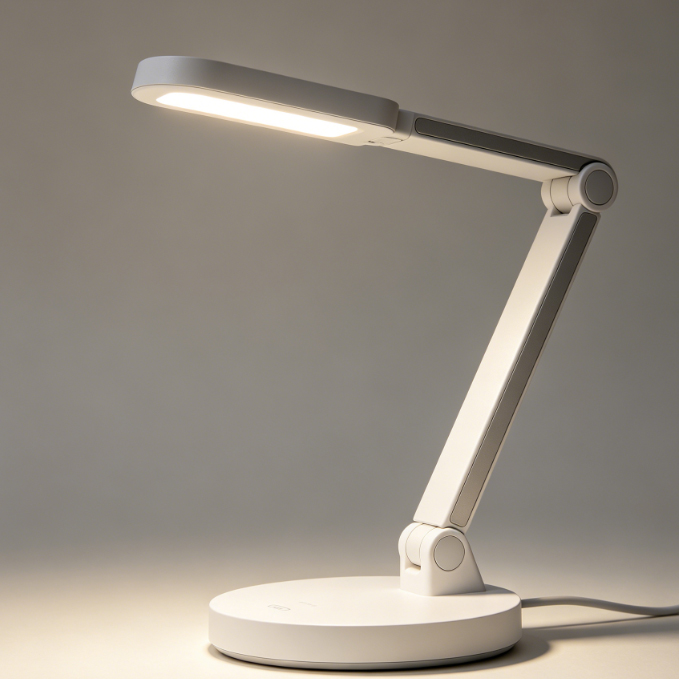
| Desk Lamps | 0.1–0.3 N·m |
| Flexible Fans | 0.1–0.3 N·m |
| Portable Appliances | 0.1–0.3 N·m |
These products rely primarily on material friction for positioning and typically do not require precise angle holding.
Recommended washer configuration:
Outer Diameter: 3.5–5.0 mm
Inner Diameter: 2.0–3.0 mm
Spring Washer Thickness: 0.30–0.50 mm
2. Laptop Hinges
Laptop hinges represent one of the most demanding precision hinge applications due to strict requirements on smoothness, torque consistency and durability.
| Laptop Type | Total Torque (Dual Hinges) |
|---|---|
| Ultrabooks | 0.3–0.6 N·m |
| Business Laptops | 0.6–1.3 N·m |
| Gaming Laptops | 1.5–2.5 N·m |
Design objectives include:
Smooth opening force
Uniform damping throughout travel
Stable positioning at any angle
Minimal torque decay after 20,000+ cycles
Recommended washer configuration:
Outer Diameter: 5.5–8.0 mm
Inner Diameter: 2.5–4.0 mm
Spring Washer Thickness: 0.40–0.60 mm
Related product:Double-Sided Friction Hook Washer
3. Monitor and All-in-One PC Hinges
| Display Size | Torque Range |
|---|---|
| 24–27 Inch Monitor | 2.0–4.0 N·m |
| 32 Inch+ Display | 4.0–6.0 N·m |
Monitor hinges must withstand continuous static loading while preventing gradual screen sagging.
Recommended washer configuration:
Outer Diameter: 8–12 mm
Inner Diameter: 4–6 mm
Spring Washer Thickness: 0.80–1.20 mm
4. Commercial Equipment Hinges
Common applications include:
POS terminals
Receipt printers
Self-service kiosks
Industrial touch panels
| Equipment Type | Torque Range |
|---|---|
| Printer Covers | 3.0–5.0 N·m |
| POS Displays | 3.0–5.0 N·m |
| Kiosk Screens | 5.0–8.0 N·m |
Design priorities:
High cycle life
Wear resistance
Noise reduction
Stable torque retention
Recommended washer configuration:
Outer Diameter: 12–16 mm
Inner Diameter: 6–8 mm
Spring Washer Thickness: 1.0–1.2 mm
5. Industrial, Automotive and Medical Hinges
Heavy-duty equipment typically requires hinge torque above 8 N·m.
Examples include:
Medical monitors
Vehicle-mounted displays
Industrial control systems
Defense and aerospace equipment
Recommended washer configuration:
Outer Diameter: 16 mm+
Inner Diameter: 8–12 mm
Spring Washer Thickness: 1.2–2.0 mm
How Friction Washers Affect Torque Stability
Many engineers focus solely on hinge structure while overlooking the importance of friction washers.
In reality, friction washers directly determine:
Initial torque value
Opening smoothness
Torque retention rate
Service life
Noise performance
At Mengpeng Parts, our precision friction washer manufacturing process combines controlled stamping, heat treatment, surface engineering and dimensional consistency to achieve long-term torque stability for millions of production hinges.
Industry studies published by ASMEandSAE Internationalshow that friction interface quality significantly influences rotational torque consistency and wear resistance in mechanical assemblies.
What Factors Influence Torque Hinge Selection?
Before finalizing hinge specifications, engineers should evaluate:
Display weight
Center of gravity location
Opening angle range
Expected service life
Operating environment
Shock and vibration requirements
User opening force expectations
A properly selected friction washer system often reduces development iterations and improves long-term reliability.
Why Global Hinge Manufacturers Work with Mengpeng Parts
20+ years of precision metal stamping experience
Custom Hook Washer development
Precision friction washer manufacturing
Spring washer engineering support
Rapid prototyping services
Mass-production consistency control
Support for laptop, monitor, automotive and industrial hinge projects
Explore more hinge solutions: